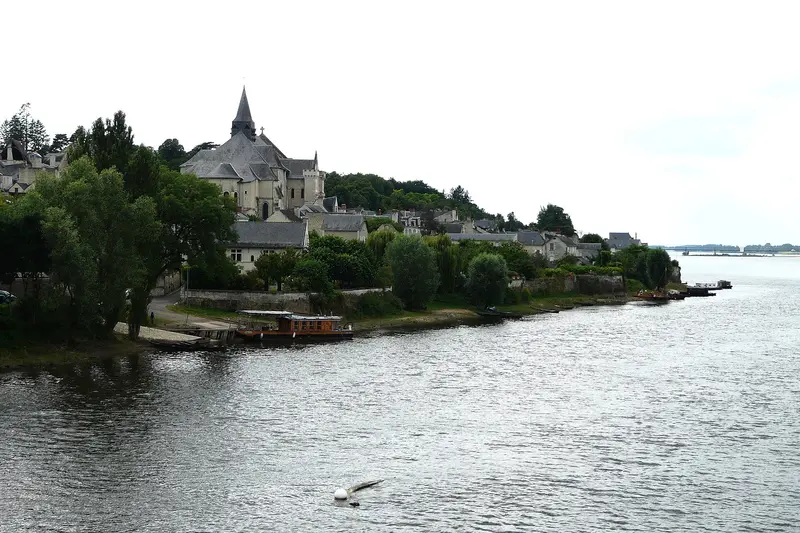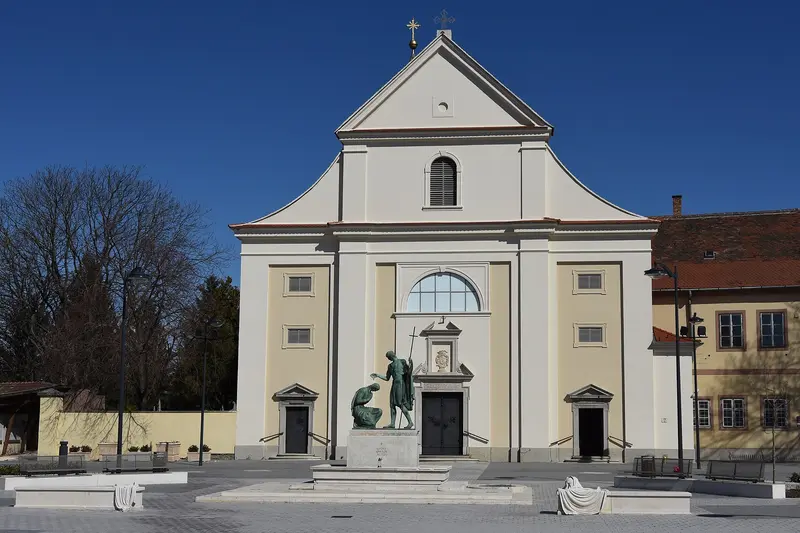
01 · Sabaria
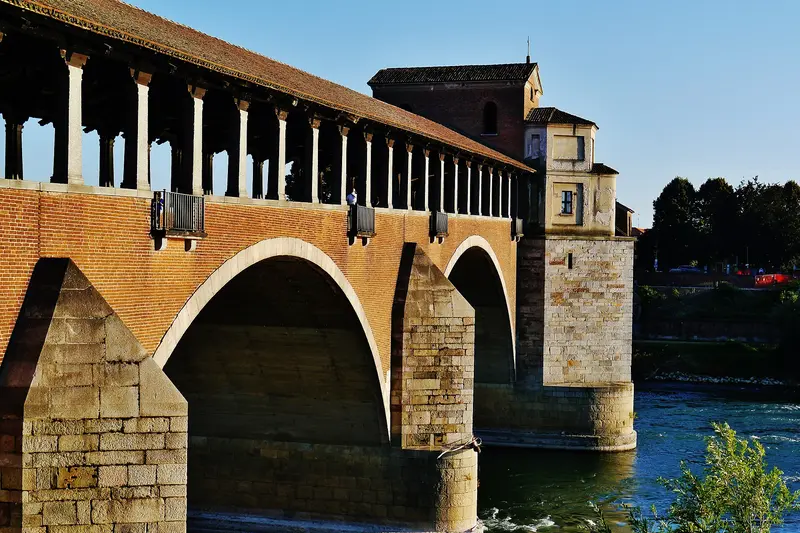
Szombathely
Where he was born, a garrison town in Pannonia. Today in Hungary.
Half a CloakThe route of his life
Ten places, from the Danube frontier to the Loire. For each one: what happened there, and what a visitor finds now.
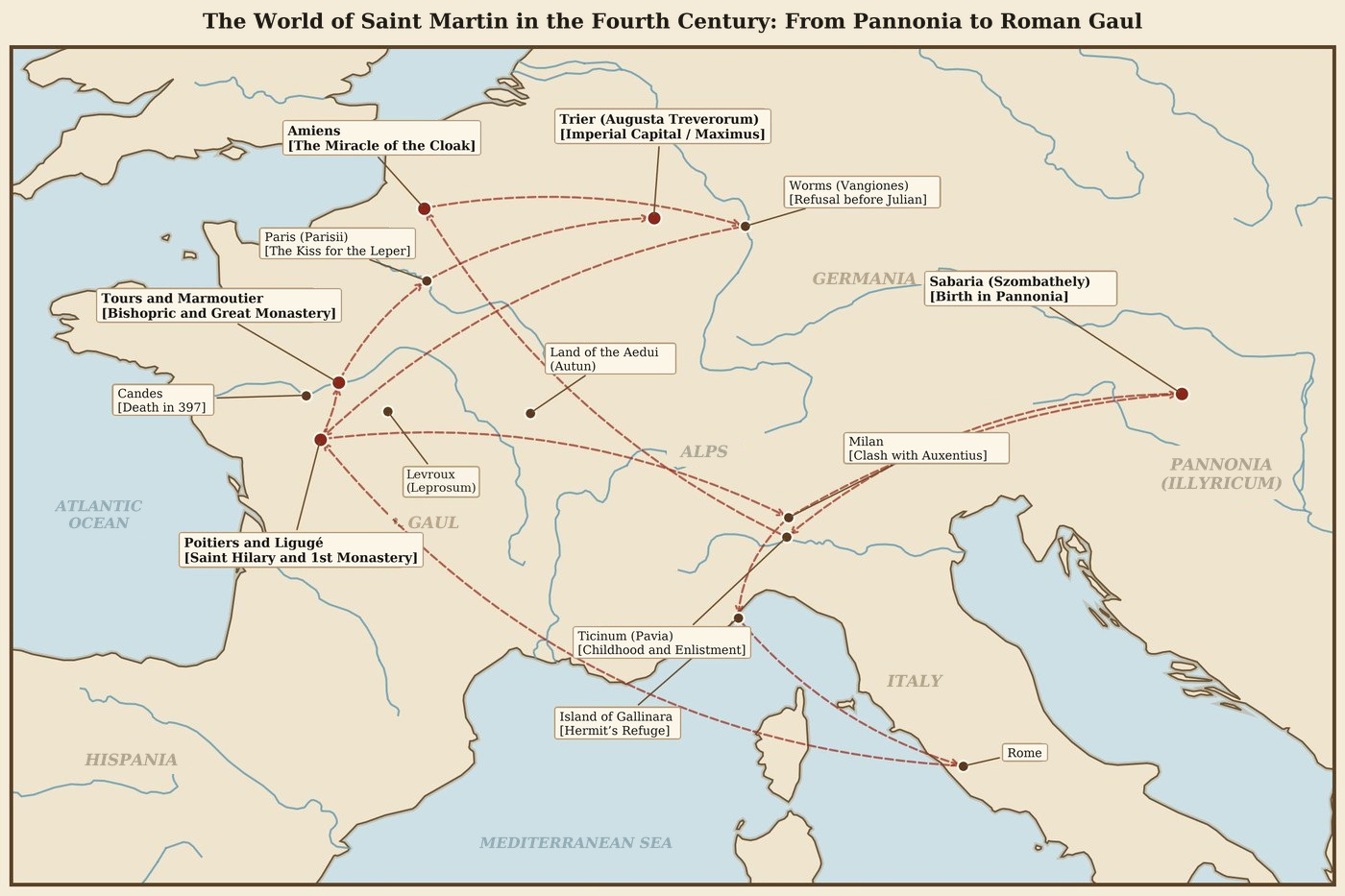
01 · Sabaria
Where he was born, a garrison town in Pannonia. Today in Hungary.
02 · Ticinum
Where he grew up and where the army took him at fifteen.
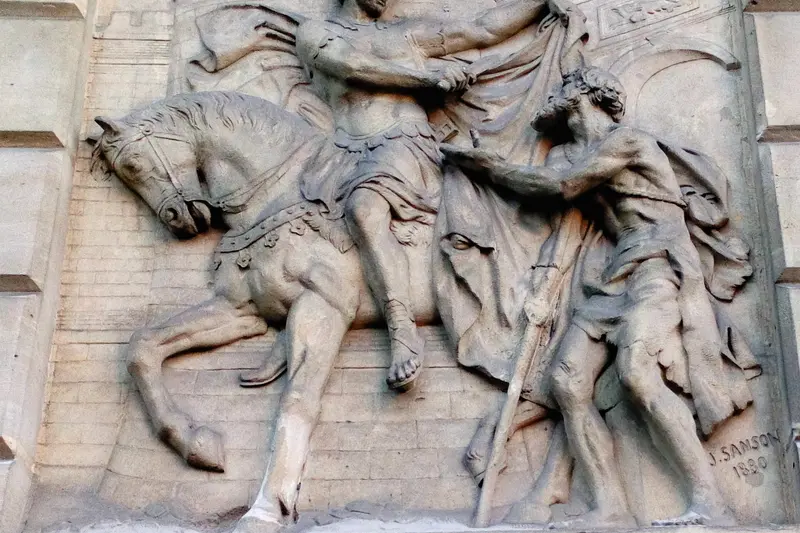
03 · Samarobriva
The gate, the winter, the cloak.
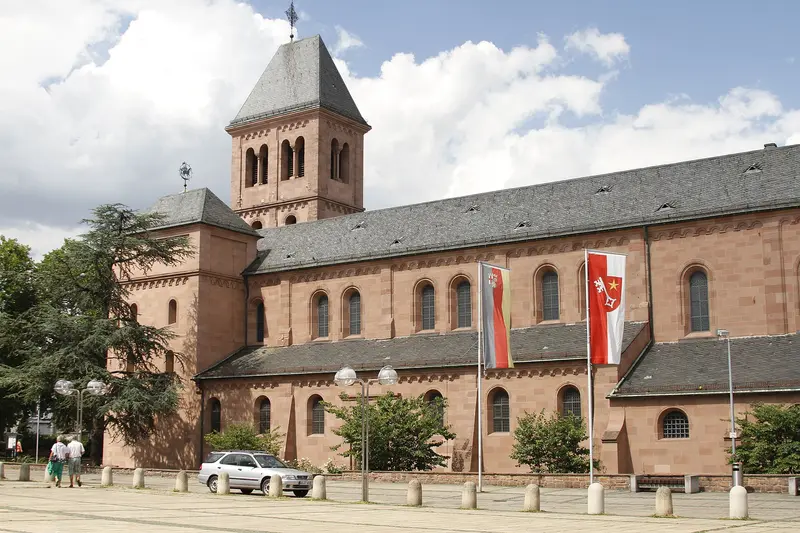
04 · Borbetomagus
Where he refused Julian’s gold and offered to walk out unarmed.
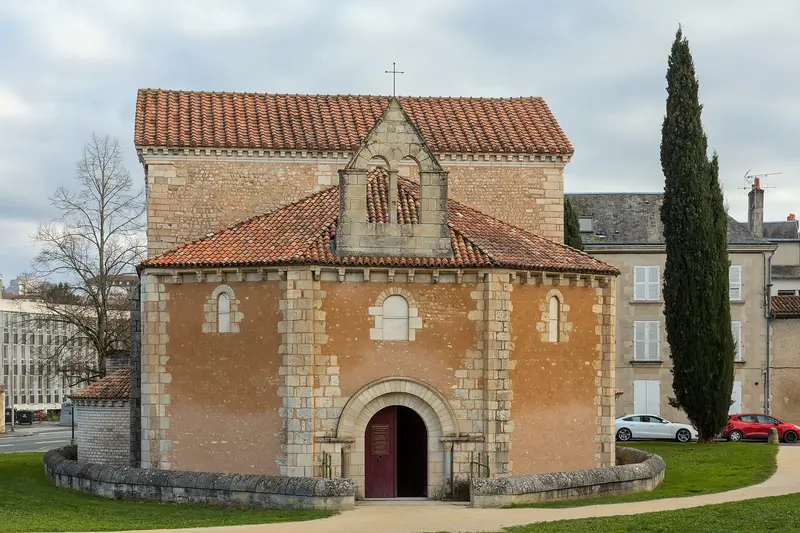
05 · Pictavium
Hilary’s city. He came here to learn.
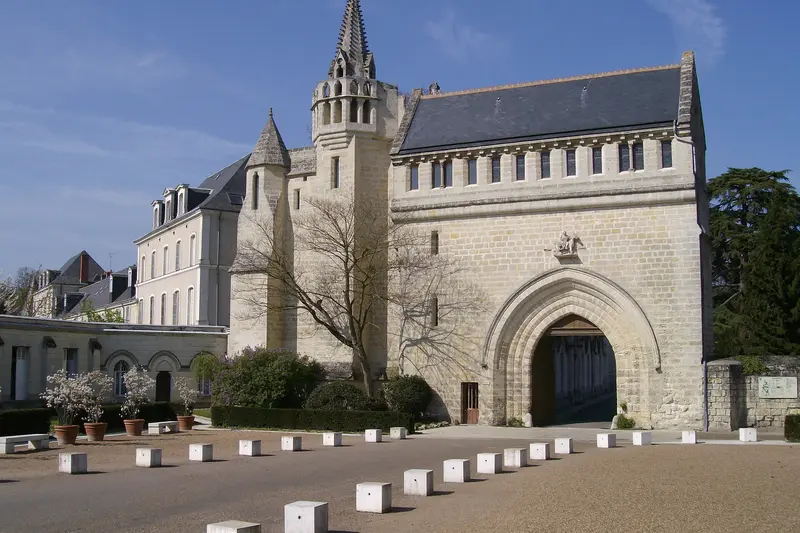
06 · Locociacum
His first monastery, just outside Poitiers. Monks still live there.
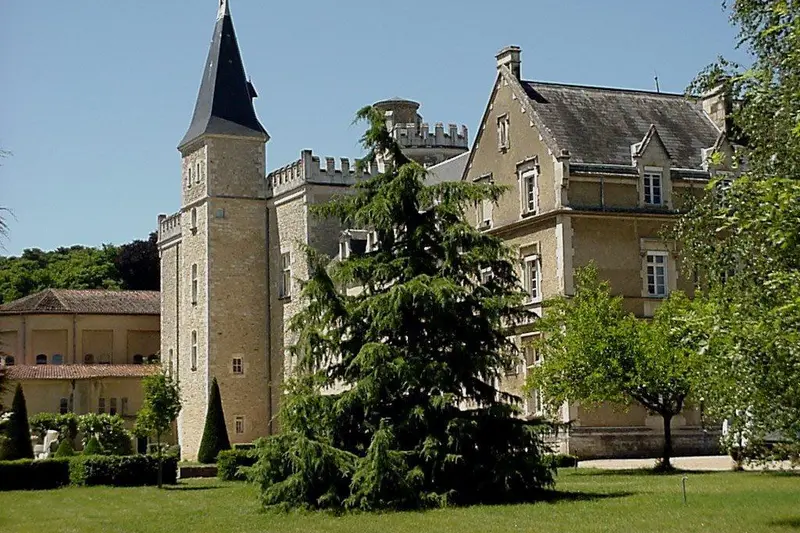
07 · Maius Monasterium
The hut, the caves in the cliff, the copyists.
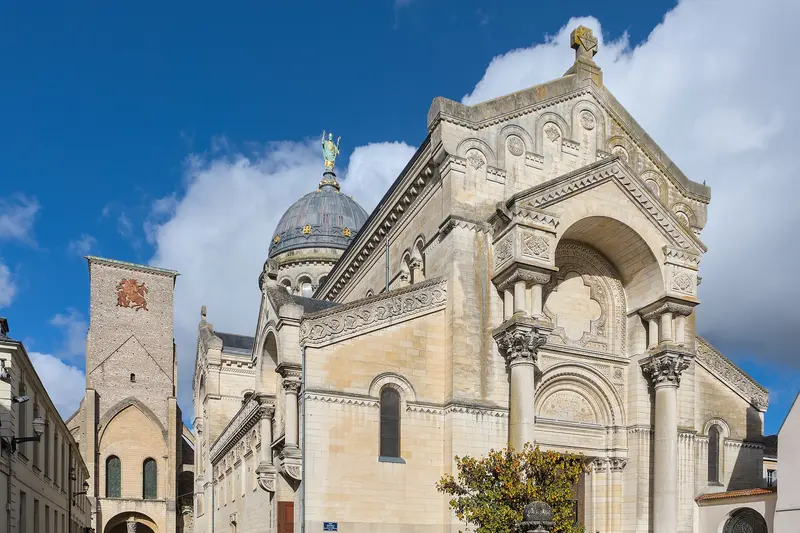
08 · Caesarodunum
The city that kidnapped him and kept him for twenty-six years.
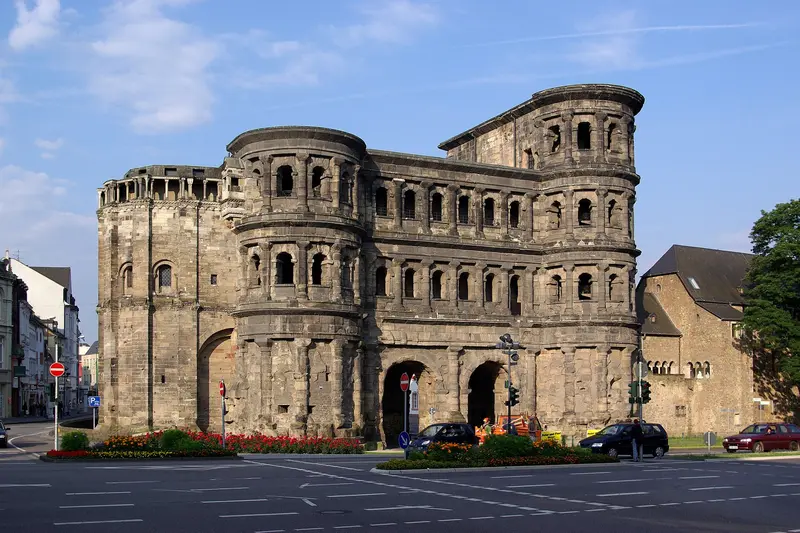
09 · Augusta Treverorum
The imperial court, where he would not flatter anyone.
10 · Condate
Where the Vienne meets the Loire, and where he died.
The Via Sancti Martini is a set of signposted routes linking Szombathely and Tours. The Council of Europe recognised it as a European Cultural Route in 2005. The waymark is a small footprint, for the saint who went nearly everywhere on foot.
Places Martin passed through, or that claimed him afterwards.
Driven out of Milan, Martin withdrew to this small island off Albenga, on the Ligurian coast, with one priest for company. He lived on roots, ate hellebore, which is poisonous, felt death close, and prayed until the pain left him (Life, ch. 6). The island is now an uninhabited nature reserve. Landing is not allowed, but boats from Alassio and Albenga go round it.
The Benedictine abbey on St Martin’s Mount was founded in 996 and dedicated to him. According to the abbey’s charter, the future King Stephen asked for Martin’s help before a battle in 997 and promised the abbey a tithe if he won. It is still a working monastery and school, and a World Heritage site.
Bede, writing in 731, says that Ninian built a church of stone here, “which was not usual among the Britons”, and that the place was named after Saint Martin the bishop. It was known as the White House.
St Martin’s Church is described as the oldest church in the English-speaking world still in use. It was the chapel of Bertha, the Frankish Christian queen of Kent, about 580, before the mission of Augustine arrived in 597.
The Book of Armagh, written about 807 and now at Trinity College Dublin, ends with Sulpicius’s writings on Martin. It is among the oldest surviving copies of the Life. A medieval tradition made Patrick a relative of Martin; Patrick’s own writings do not mention him.
A carved high cross of the 8th century, known as St Martin’s Cross, still stands in its original position outside the abbey.
Enjoy the book. If you want one email when a new language arrives:
Tell me